
Drone Facade Inspection for BCA's Periodic Facade Inspection (PFI): A Guide for Building Owners
/By Avetics Global. Updated November 2026.
Singapore's Periodic Facade Inspection (PFI) regime requires many older buildings to have their facades inspected regularly. This guide explains who must comply and how drones make PFI inspections faster, safer and cheaper.
What is the PFI regime?
PFI was introduced by the Building and Construction Authority (BCA) to reduce the risk of facade elements, such as cladding, windows and other fixtures, falling from buildings. It has applied since 1 January 2022.
Which buildings need a Periodic Facade Inspection?
Under the PFI regime, a building needs a facade inspection every 7 years if it is:
- more than 13 m tall, and
- more than 20 years old.
Building owners and management corporations (MCSTs) are responsible for arranging the inspection through a Competent Person (CP). Check BCA's website for the full rules and any building types that are excluded.
How are facade inspections traditionally done?
Inspectors usually work at height, using gondolas, building maintenance units (BMUs) or scaffolding. That is:
- slow: access equipment takes time to set up and move along the building
- costly: you pay for equipment, manpower and safety measures
- risky: people have to work at height
How drones help with PFI
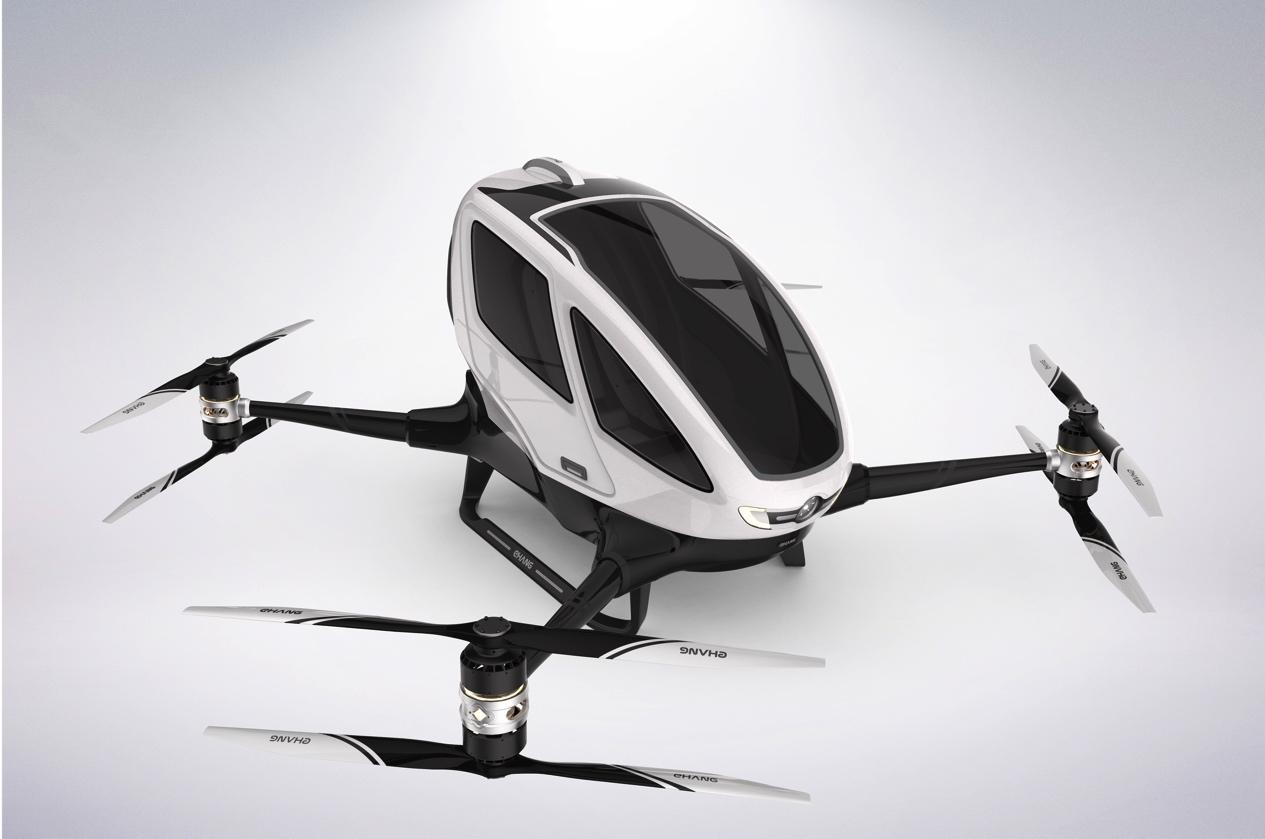
A drone flies close to the facade and captures high-resolution photos and video of every elevation. Engineers can spot cracks, spalling, loose cladding and other defects, with each one tied to its exact location.
| Traditional access | Drone inspection | |
|---|---|---|
| Work at height | Required | Not needed for the general visual survey |
| Set-up | Gondola, BMU or scaffold | A small drone team |
| Speed | Days per building | Much faster coverage of whole facades |
| Records | Photos and notes | Complete, geotagged image set plus a 3D model |
| Disruption | Equipment on site, areas closed off | Minimal |
Drones support the Competent Person; they don't replace them. The CP reviews the drone data and decides where hands-on, close-range checks are still needed.
What you get from Avetics
- Multi-payload drone flights: our DJI enterprise drones can carry several cameras at once, such as zoom, wide and thermal
- Live video so engineers can look at areas of concern during the flight
- Cloud-based 3D visualisation of the building
- An automated defect report, generated by our FlightVault software
- A report ready for BCA PFI compliance, which you can share with your Professional Engineer or Competent Person
- One place to keep inspection photos from drones and phones, with AI tools, so future inspections can be compared with this one
Why Avetics?
- Since 2016, appointed by the Singapore Government as a master contractor for drone (UAS) services to public agencies
- Certified by ExxonMobil Global Aviation and Lloyd's Register
- Over 1,000 corporate drone projects completed
- Experienced, licensed pilots who work closely with Competent Persons and research institutes
Frequently asked questions
Can a drone inspection alone satisfy PFI? Drone imagery forms the visual survey that the Competent Person relies on. The CP decides whether any close-range checks are also needed, and certifies the inspection.
Do you need permits to fly near buildings in Singapore? Commercial drone flights need the right CAAS permits. Avetics handles all flight permits and approvals for you.
What defects can drones detect? Cracks, spalling concrete, corrosion, loose or missing cladding, sealant failure and water stains. With a thermal camera, they can also show areas where water may be getting in.
How do I get a quote? Contact us on +65 9632 4034 or team@avetics.com, or see our Building Facade Inspection page.
This guide is general information. Check BCA's website for the full, current PFI requirements.